
Fishing & Hunting Tips & Tricks | Expert Articles
%2Ffit-in%2F1000x1000%2Ffilters%3Aformat(webp)%2Fusers%2F8e209950-cec7-4b1b-8e40-47a8b4d0e0b6%2Fprofile%2F1763553943396-mi5ylx6g.webp&w=1920&q=75)
Updated: May 26, 2026
Fishing and hunting are time-honored outdoor traditions that connect people with nature, promote self-reliance, and offer unforgettable adventure experiences. Whether casting a line into a peaceful lake at sunrise or tracking game through dense forests, these activities provide both excitement and a deep appreciation for the natural world. For many enthusiasts, fishing and hunting are more than hobbies—they are lifestyles rooted in patience, skill, and respect for wildlife.
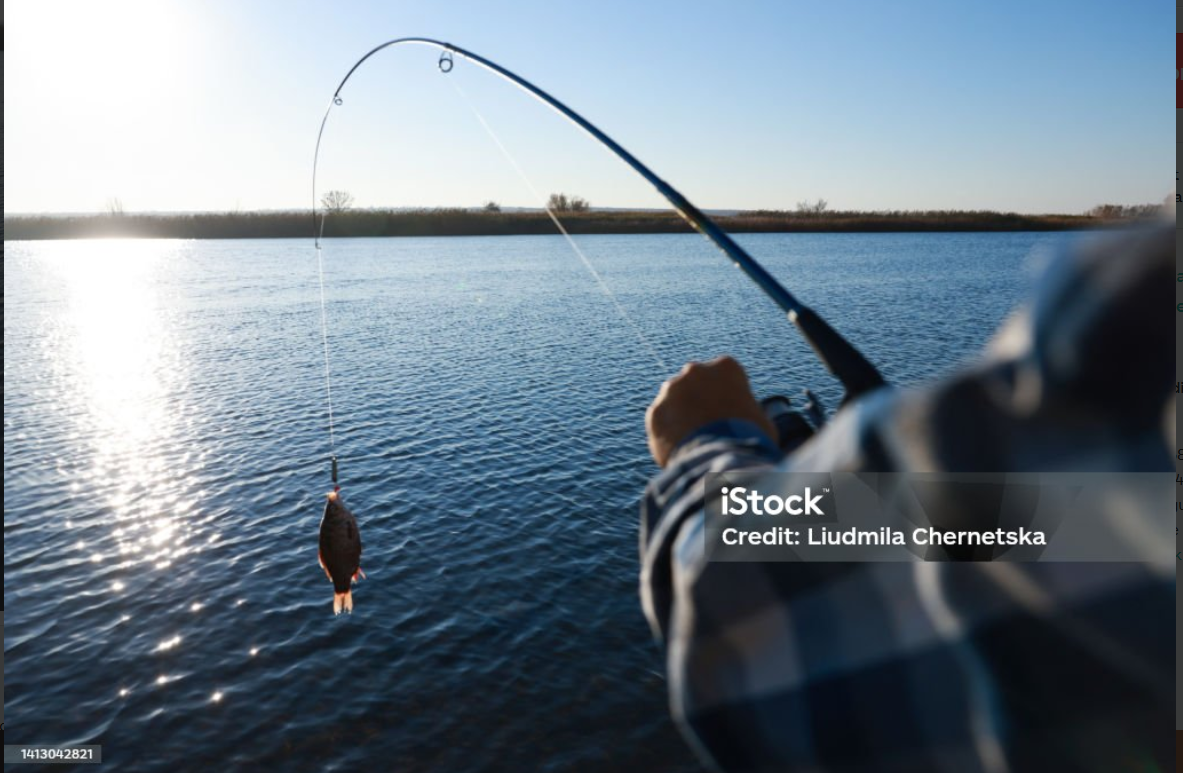
Fishing offers a wide range of experiences, from freshwater lake and river fishing to deep-sea adventures. Anglers use various techniques such as fly fishing, baitcasting, trolling, and spinning to target species like bass, trout, salmon, catfish, and more. Beyond the thrill of the catch, fishing promotes relaxation, mental clarity, and quality time with friends and family. It also encourages understanding of aquatic ecosystems, seasonal patterns, and responsible catch-and-release practices.
Hunting, on the other hand, combines strategy, knowledge, and discipline. Hunters prepare carefully by understanding animal behavior, habitat conditions, weather patterns, and legal regulations. Popular types of hunting include deer hunting, waterfowl hunting, turkey hunting, and small game hunting. Ethical hunting practices emphasize conservation, population control, and respect for wildlife. Modern hunters prioritize safety, sustainability, and adherence to local laws to ensure balanced ecosystems for future generations.
Both fishing and hunting require proper gear, from rods, reels, and tackle to firearms, bows, camouflage clothing, and safety equipment. Choosing the right equipment and learning correct techniques are essential for a successful and safe outdoor experience. Additionally, conservation plays a vital role in these activities, as responsible anglers and hunters contribute to wildlife preservation and habitat protection through licenses, fees, and community initiatives.